
Past Lunar New Year Collections
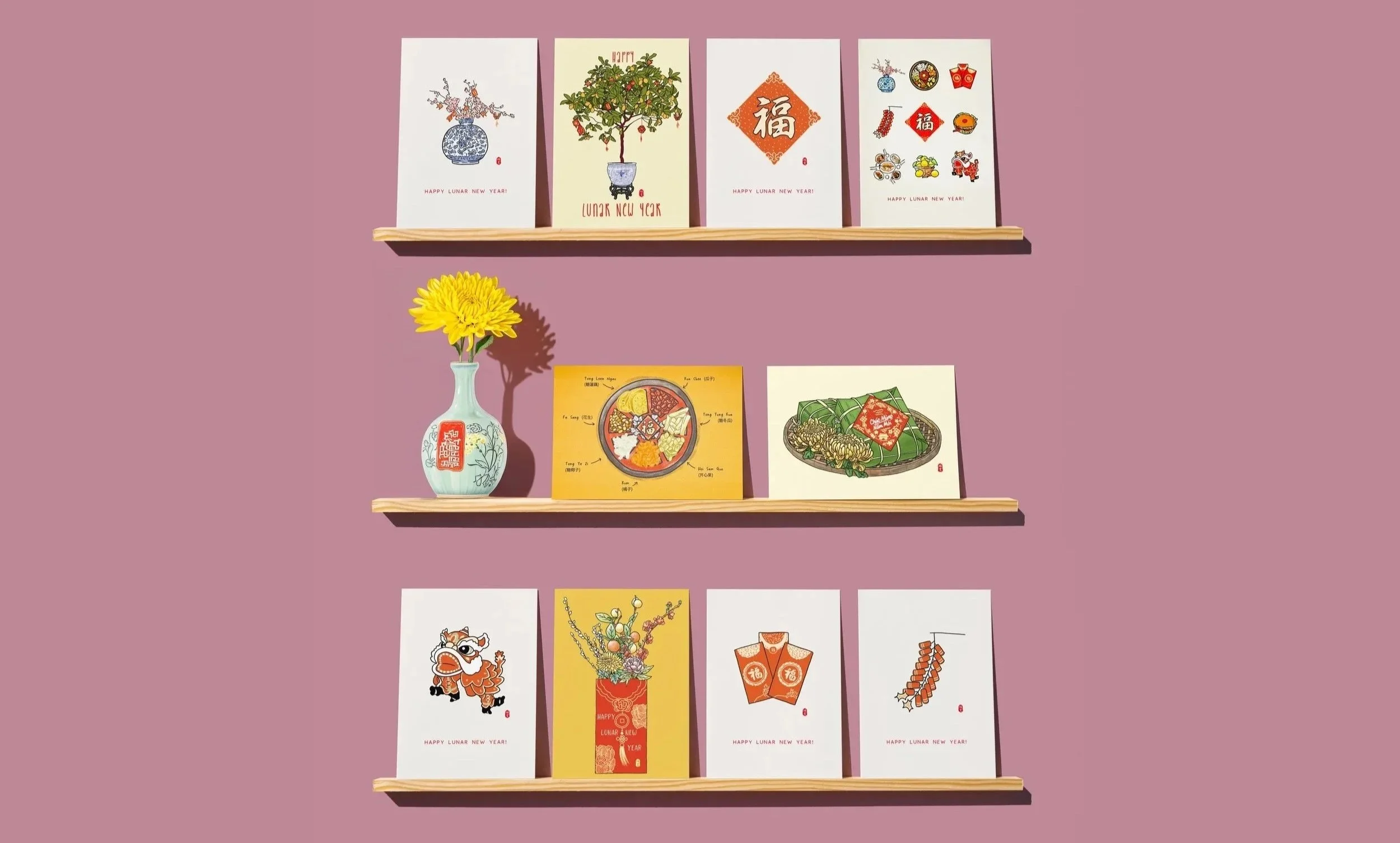
Lunar New Year Greeting Card Collection by Zhi Wen Design
As we approach the 15th and last of Lunar New Year, which is also Lantern Festival, I thought I’d showcase the previous years’ collection along with the traditions and stories they hold.
2025 Lunar New Year Collection

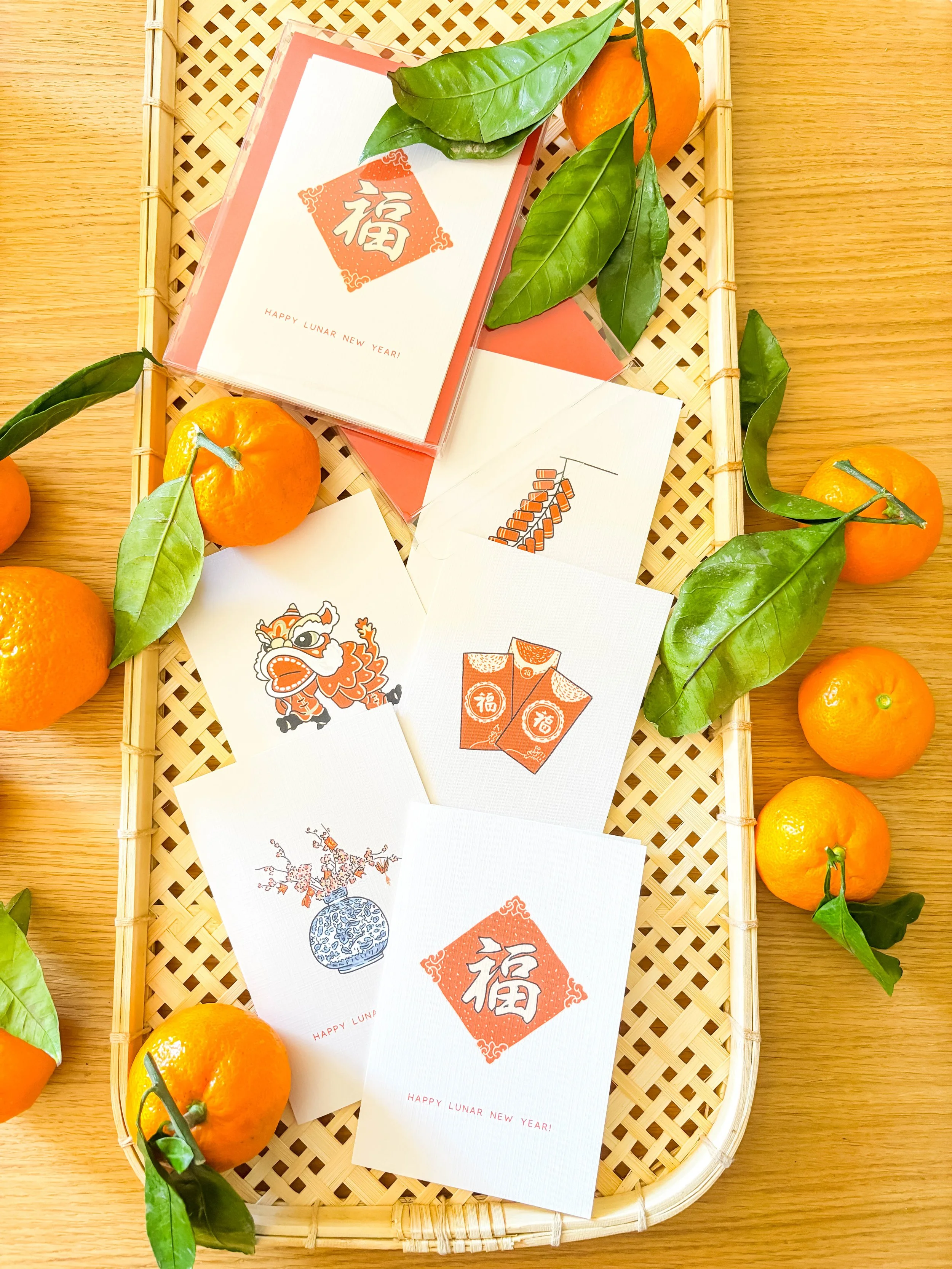
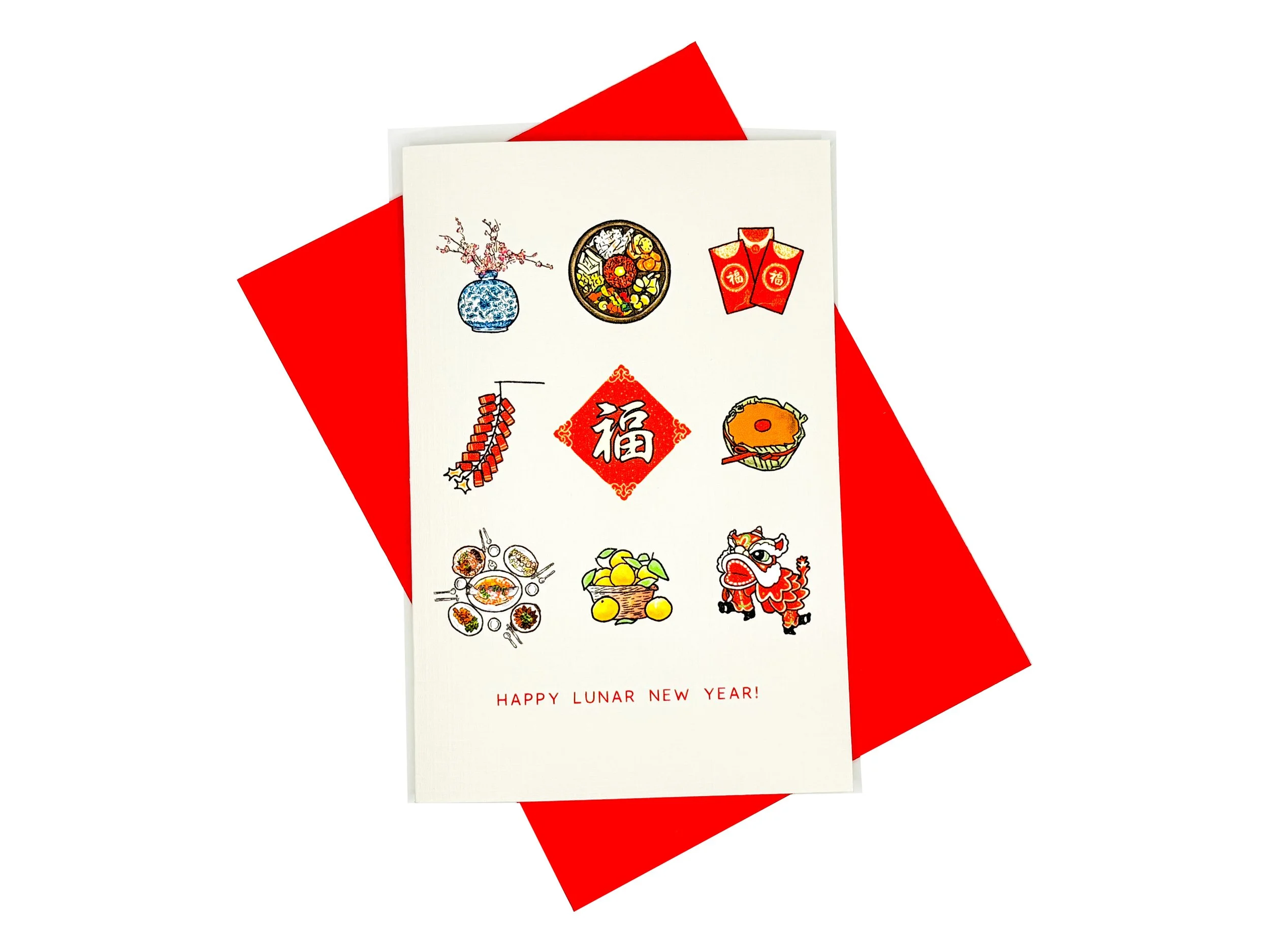
Lunar New Year Traditions Greeting Cards by Zhi Wen Design
The 2025 design features nine of the most popular Lunar New Year traditions such as the reunion dinner, the Chinese character Fu ((福) as a symbol of good fortune, plum blossom arrangement, red money packets/ envelopes, the famous lion dance, and firecrackers. I had so much fun illustrating them that I expanded the collection by making a variety box set of 5, with each illustration on each card.
Reunion Dinner
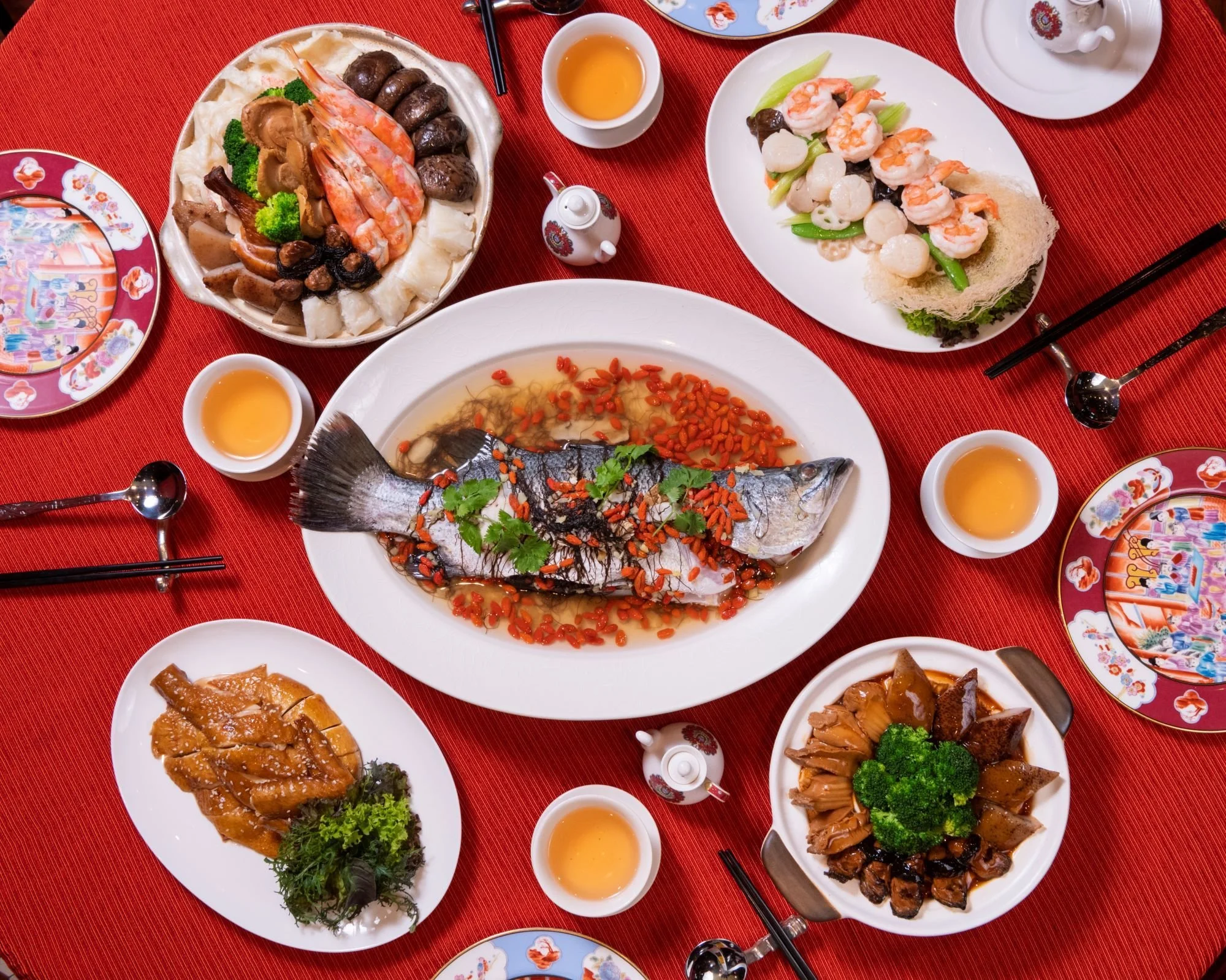
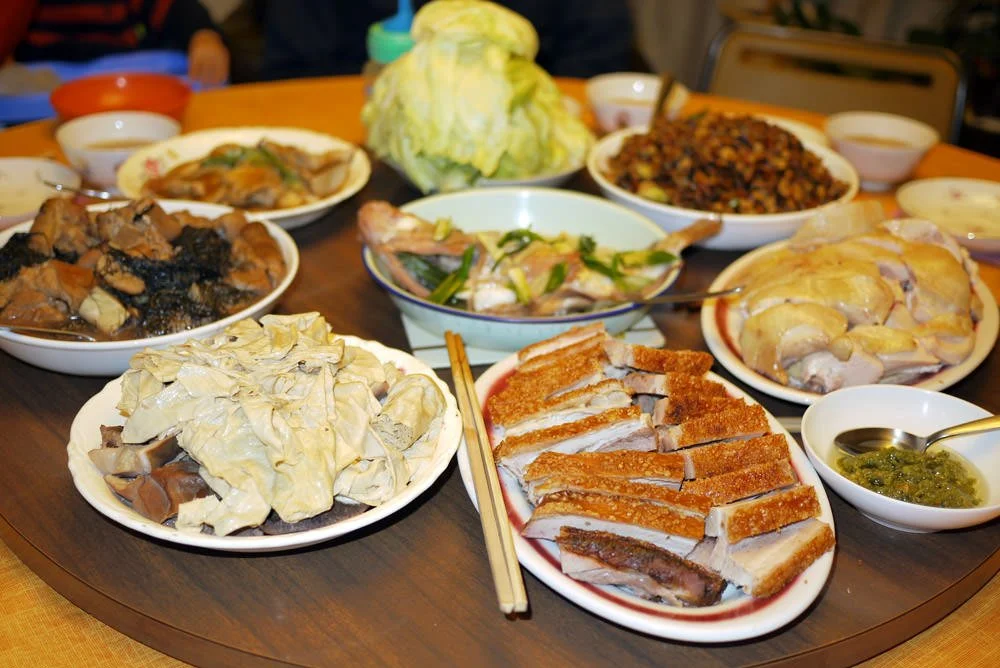
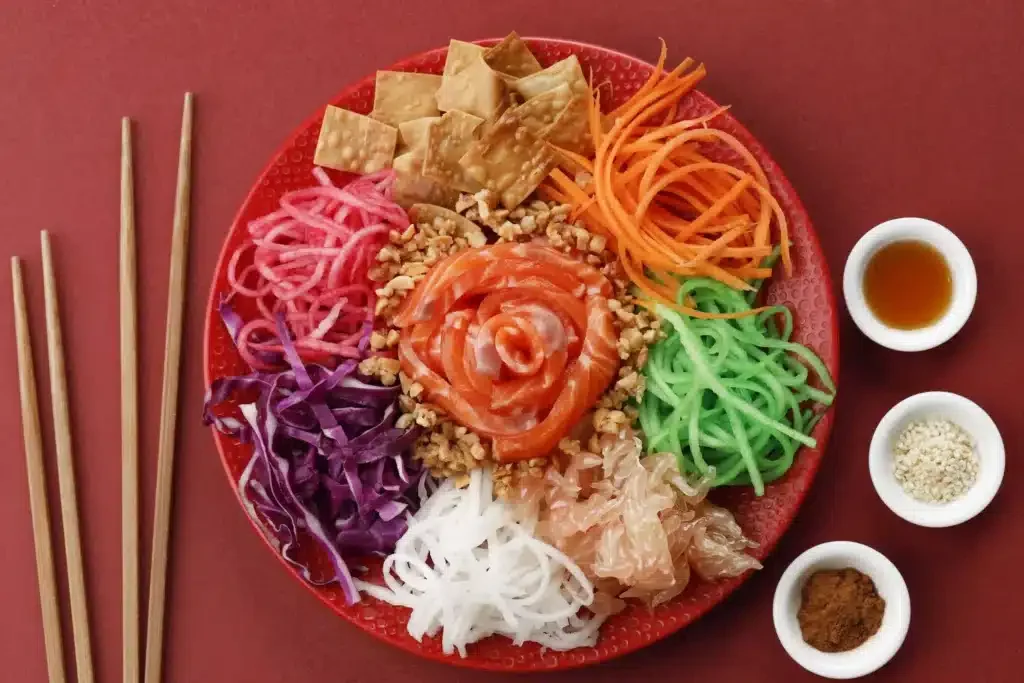
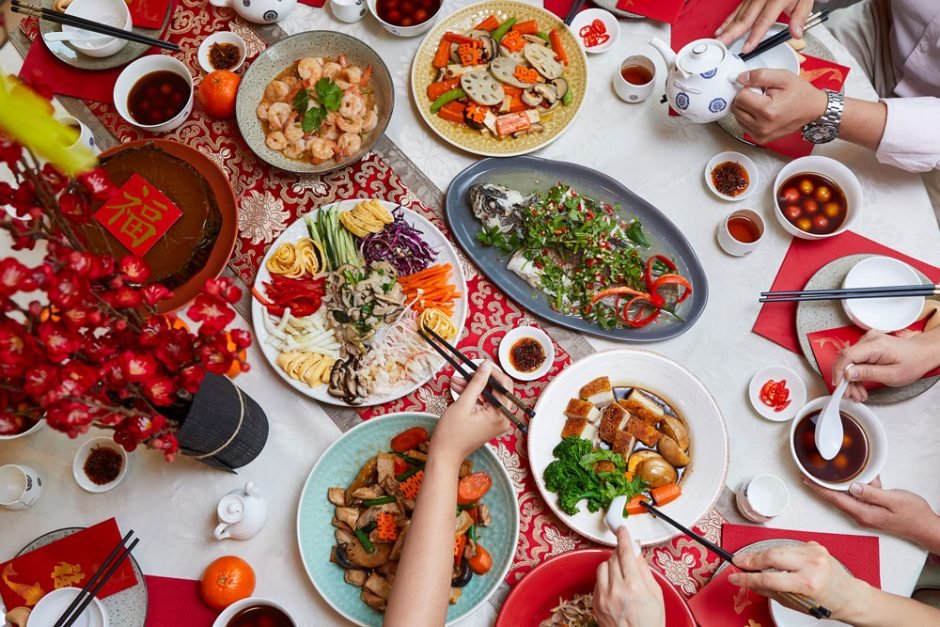
Images of the reunion dinner by Google Image Search
The Chinese New Year reunion dinner (年夜饭, nián yè fàn) is the most important traditional family meal held on Lunar New Year’s eve with the entire family gathering together as a homecoming. Symbolic dishes include whole fish (魚) for abundance and a surplus of wealth as the saying goes “"Nian nian you yu" (年年有余)”, meaning “May you have abundance/ surplus every year”. The phrase uses a pun as “yu” (surplus/ abundance) sounds like “you” (fish); dumplings (饺子) shaped like ancient gold ingots to represent wealth and fortune; longevity noodles (长寿面) to represent a long and healthy life; sweet rice cake (年糕 - Nian Gao) symbolizing higher income, increased status, and growth- a “year higher” (年高); fatt choy (black moss) to symbolize prosperity as it’s name sound the same, whole chicken to represent family unity and completeness; and yee sang (prosperity toss) to symbolize prosperity and good fortune. Along with these traditional dishes, each household add their own family traditional recipes to the table, creating a unique menu to celebrate in each of their own special way.
Chinese Character “Fu” (福)
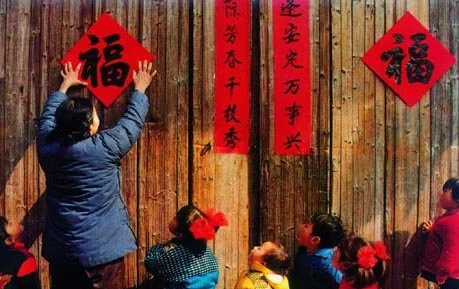
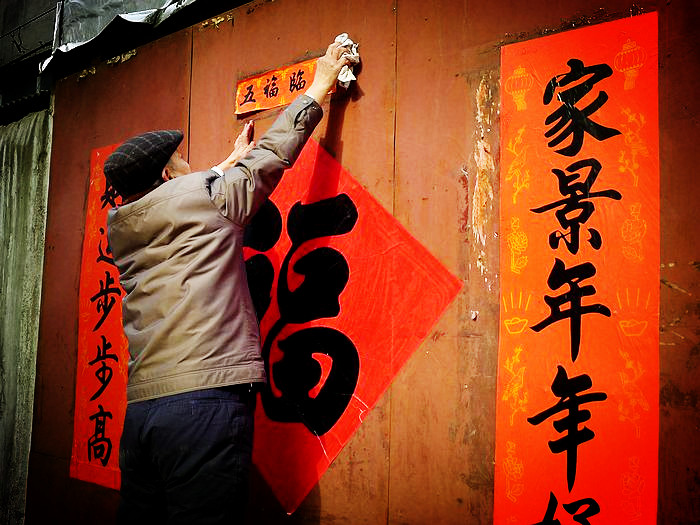
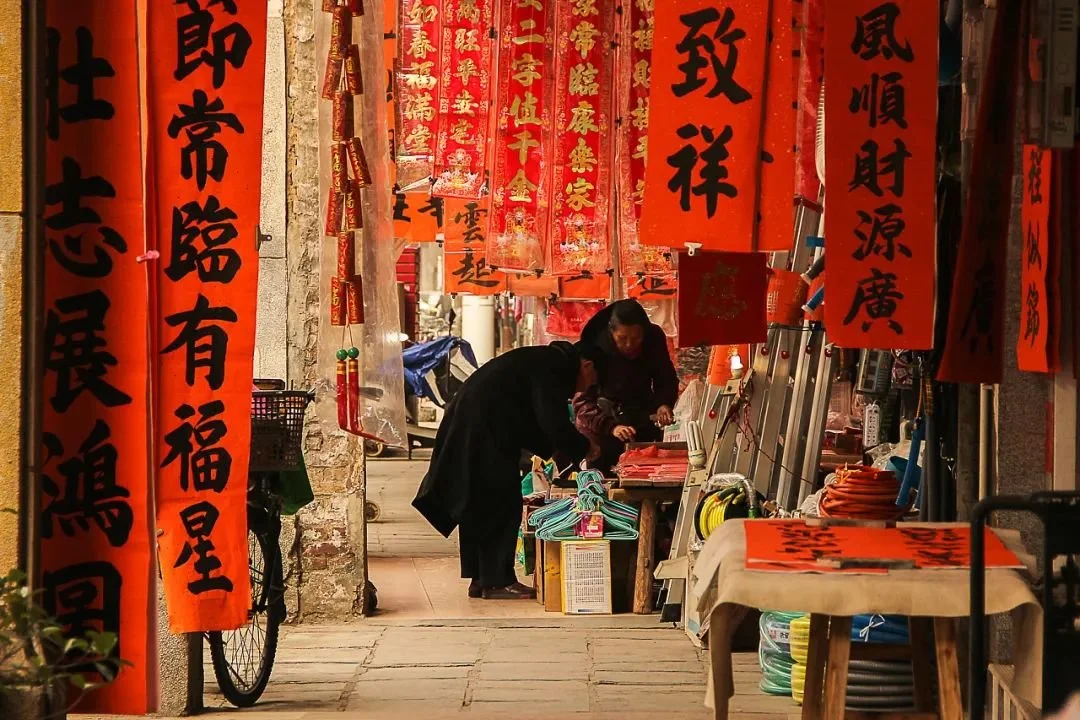
Images of the Chinese “fu” symbol by Google Image Search
The Chinese character 福 (fú) means fortune or good luck is one of the most significant decoration for the spring festival. Printed or written in calligraphy on a square piece of paper turned to a diamond shape, it is hung or pasted on entrances of homes worldwide to welcome fortune and good luck for the new year. Some would display it upside down based on a wordplay that the words for “upside down” and “to arrive” are homophonous (dào – 倒 and 到, respectively), therefore the phrase 'upside-down fu' sounds nearly identical to the phrase “good luck arrives”. Pasting or hanging it upside down translates a wish for prosperity to descend upon a home.
Plum Blossom Arrangement
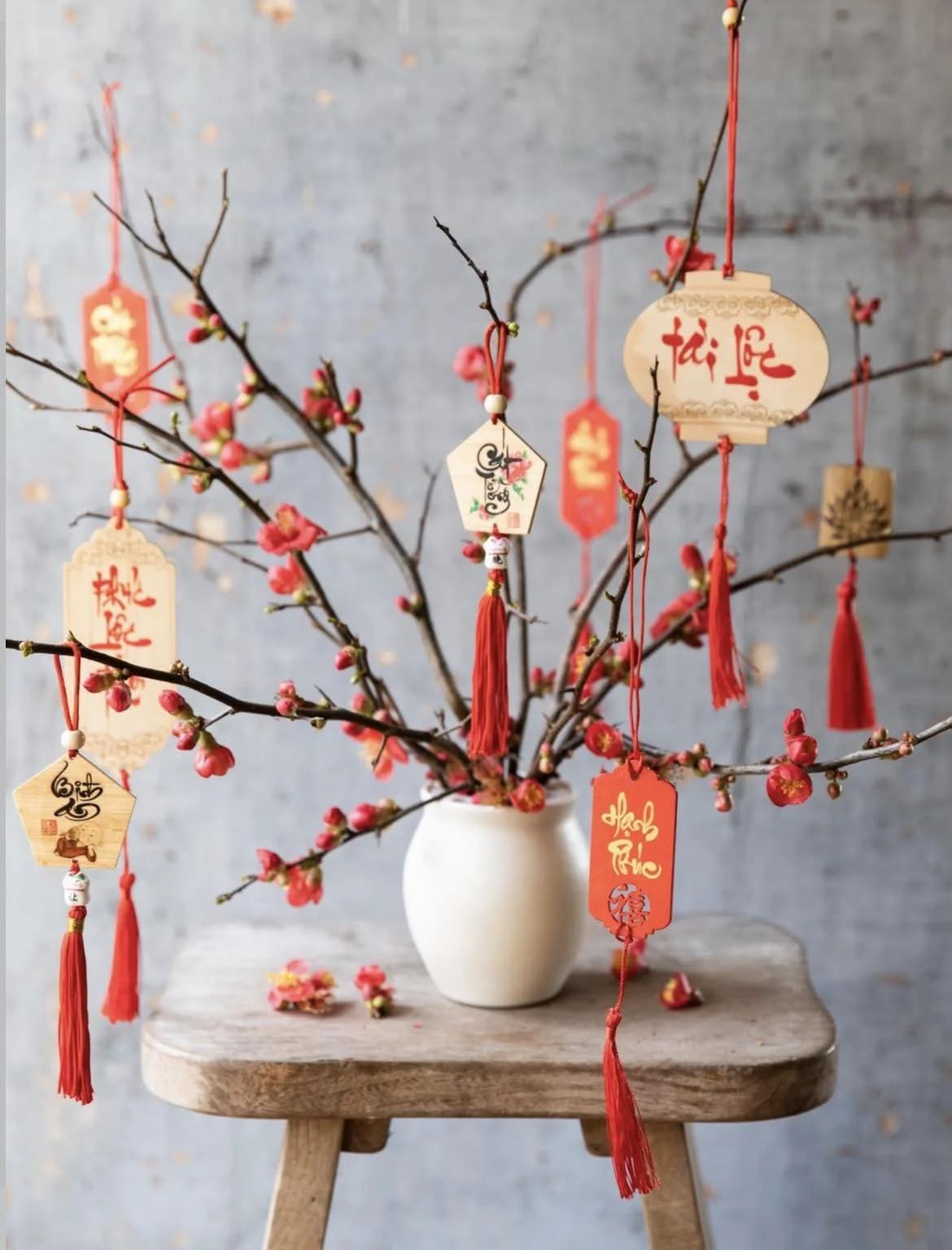
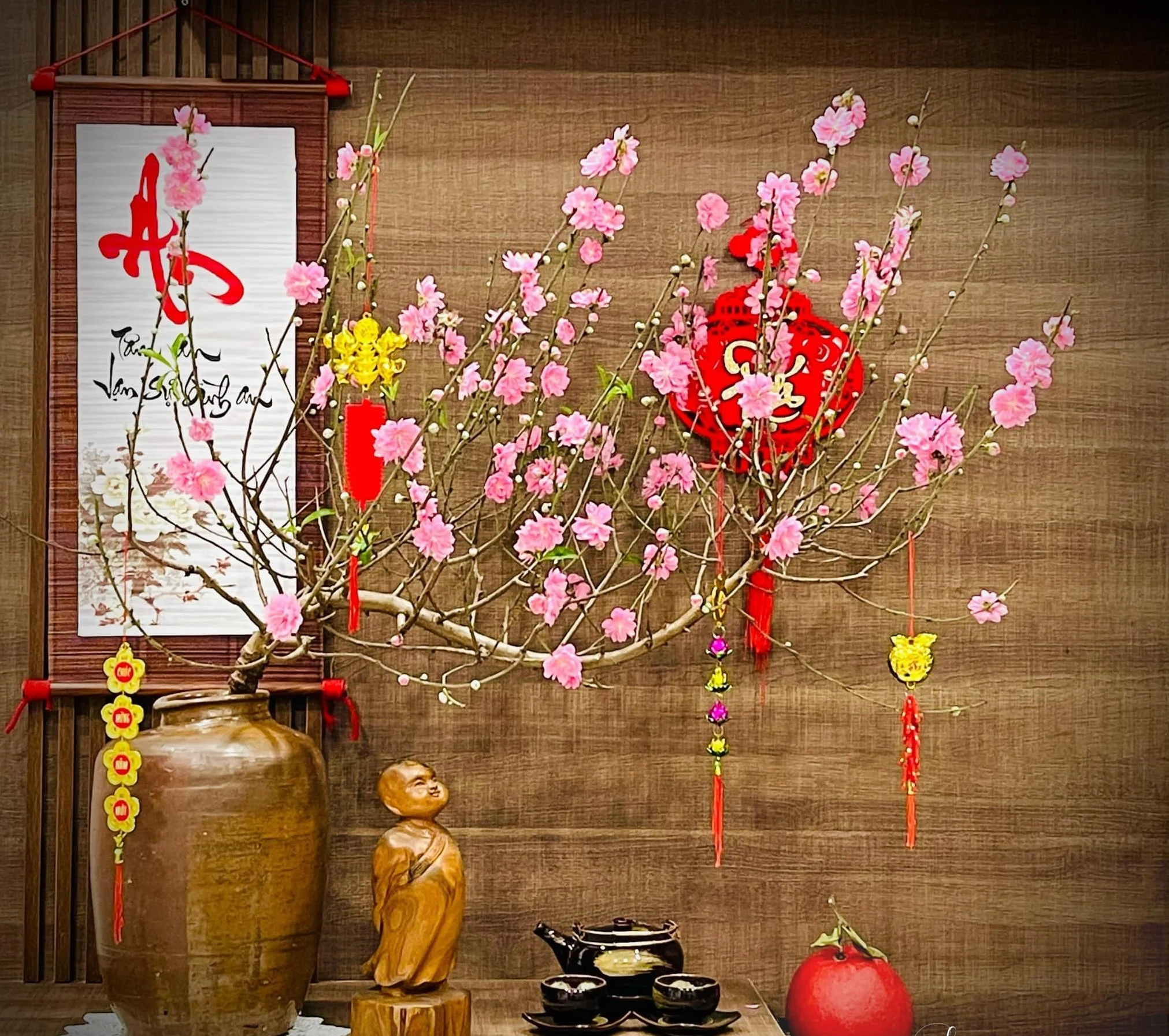
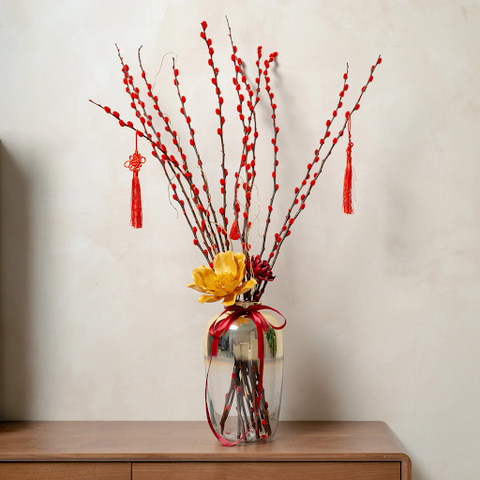
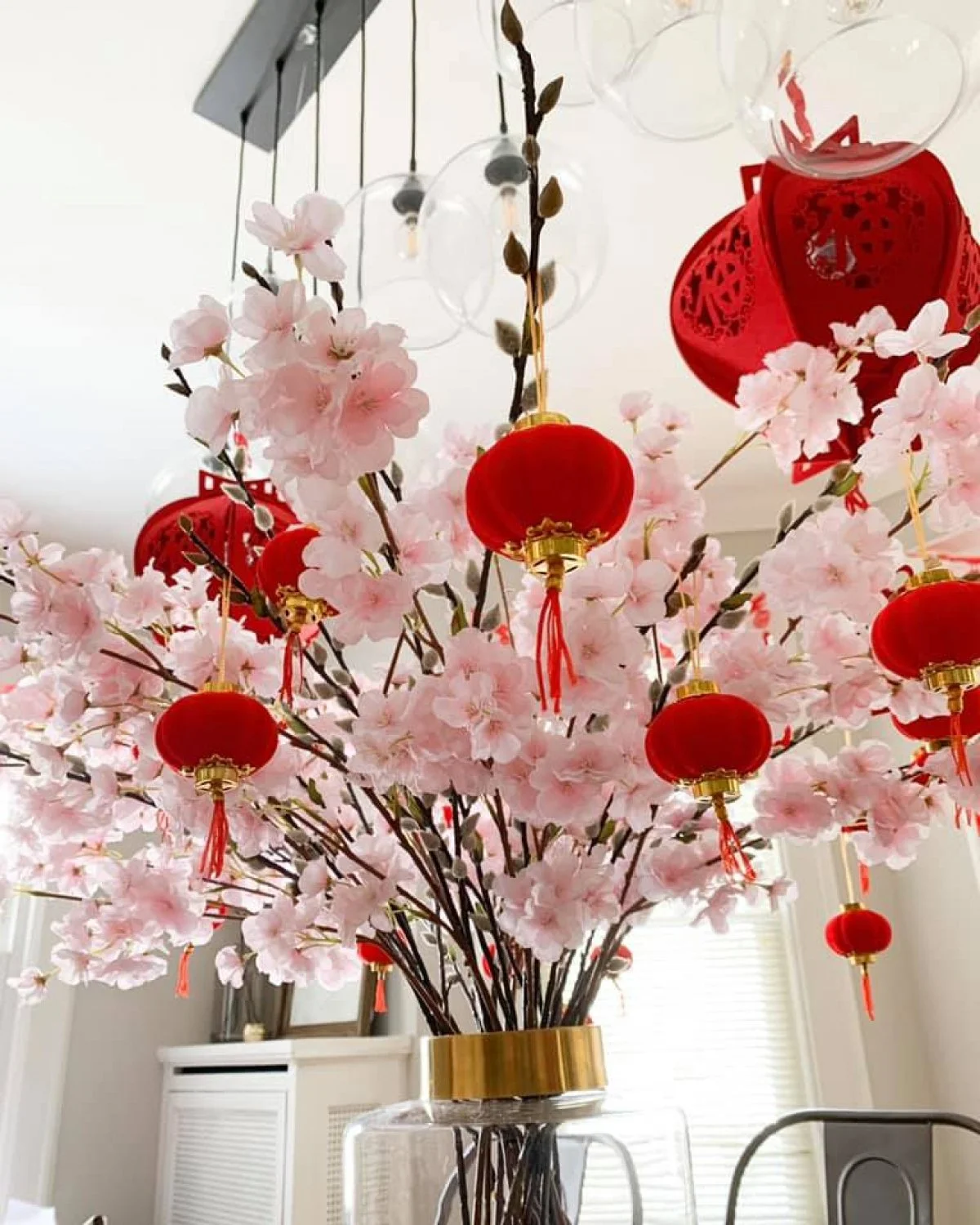
Images of plum blossom arrangements by Google Image Search
Plum blossom arrangements symbolizes resilience, hope and renewal as they bloom in late winter and they are often adorned with small festive decorations like lanterns, infinity knots, red envelopes and origami. These arrangements are placed in entryways and living spaces to create a festive environment for family gatherings and guest visits.
Red Money Envelopes (Angpau/ Lai See/ Hongbao)
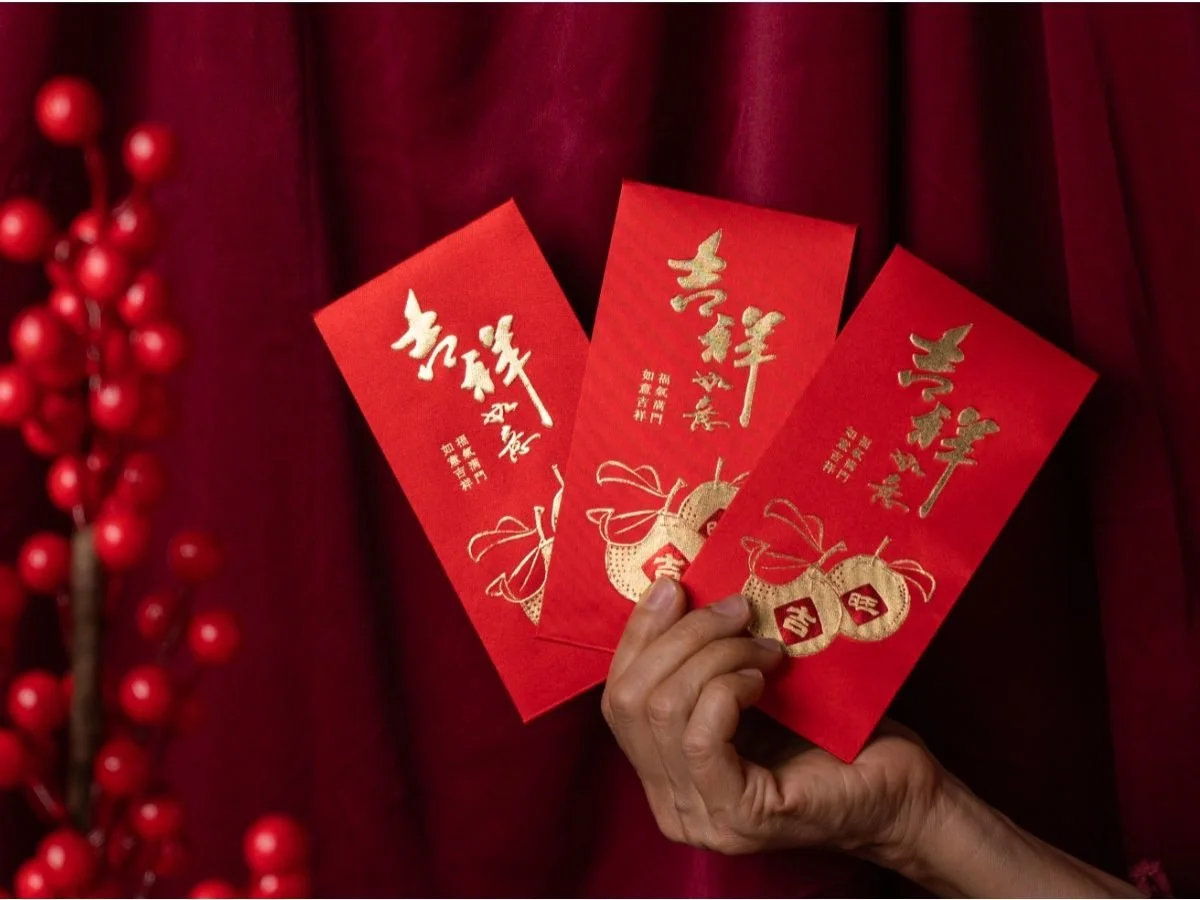
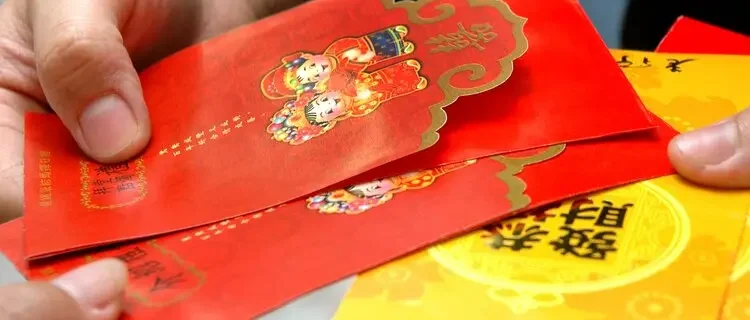
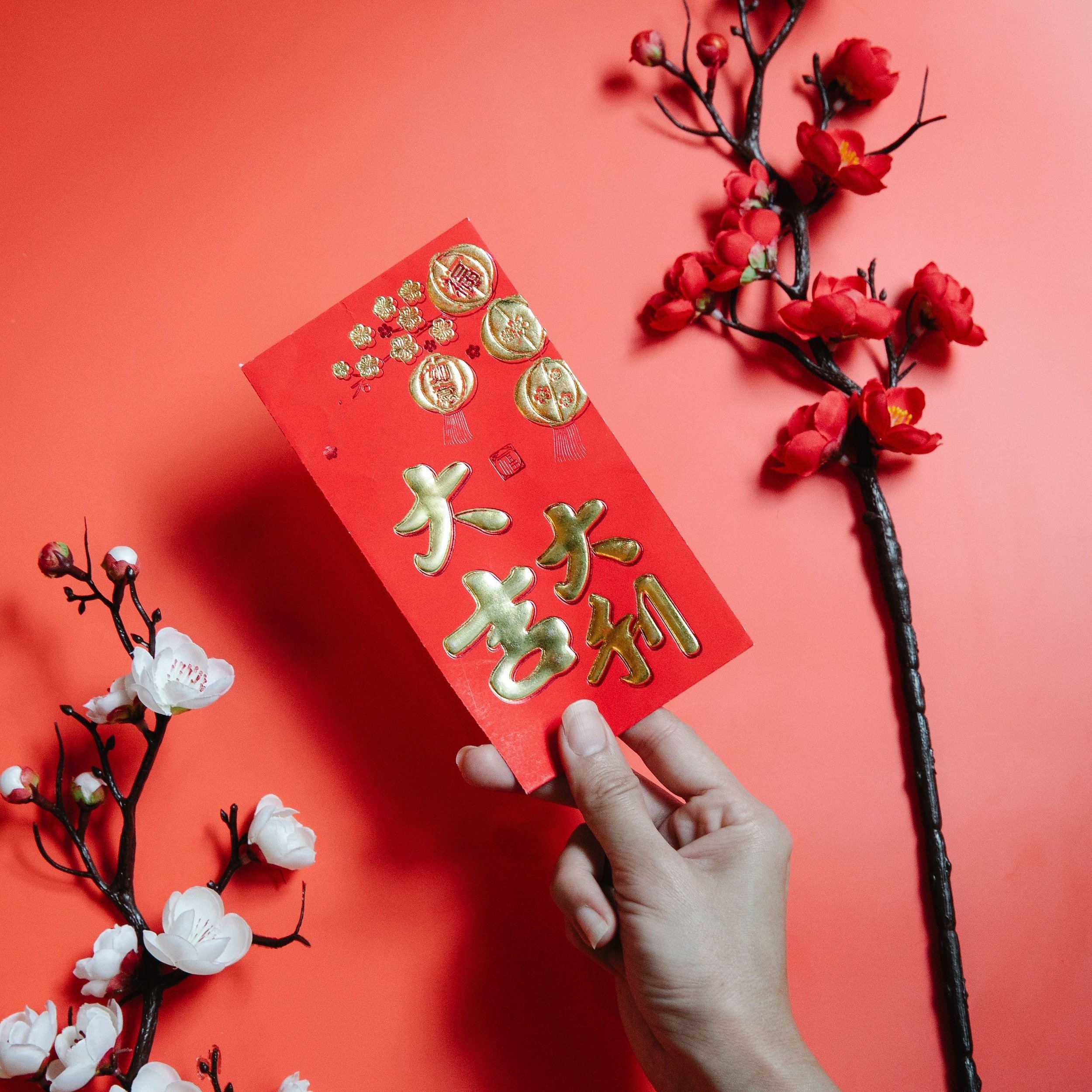
Images of the red money envelope by Google Image Search
A red envelope, also known as a lai see (利是), hongbao or ang pau is a gift of money given during holidays or for special occasions such as weddings, graduations, and birthdays. During Lunar New Year, it is commonly given to children and younger ones that are unmarried. Although family members still exchange red envelopes between themselves, such as married couples giving red envelopes to their parents, uncles and aunts as well as elders to show respect and as a form of filial piety. This caring gestures are often reciprocated back as the older generation still care for them tremendously as they always do, married or not.
Lion Dance
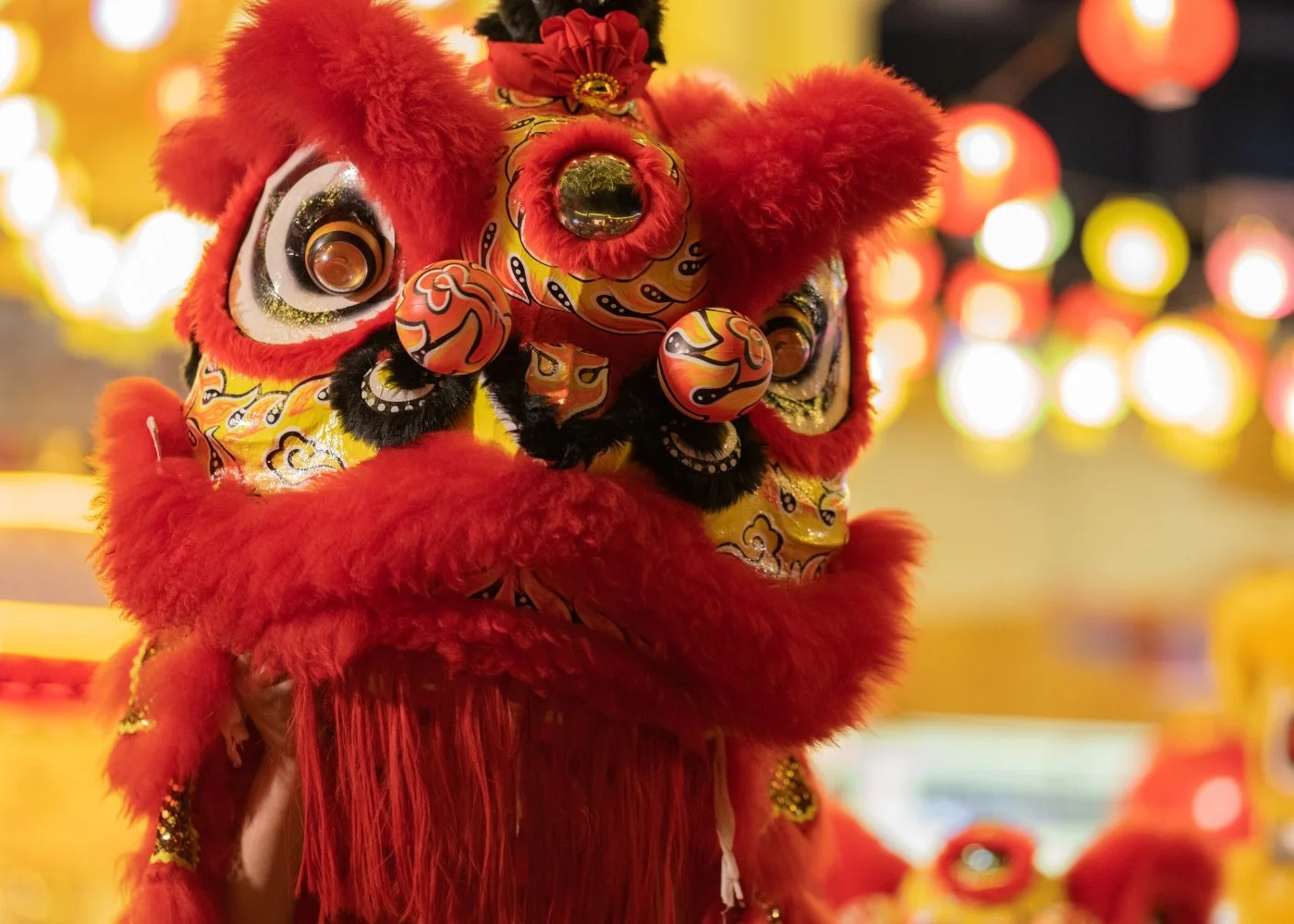
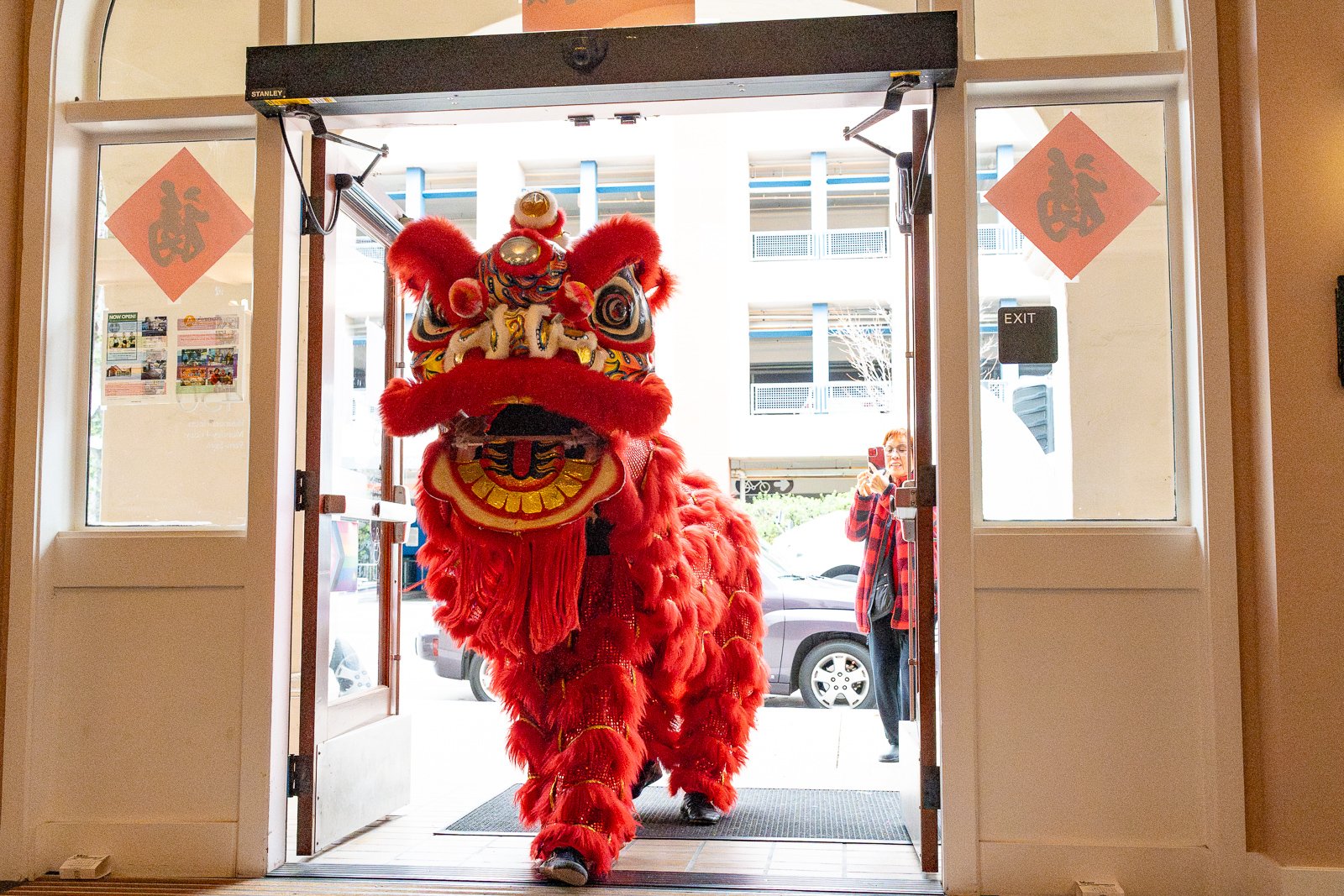
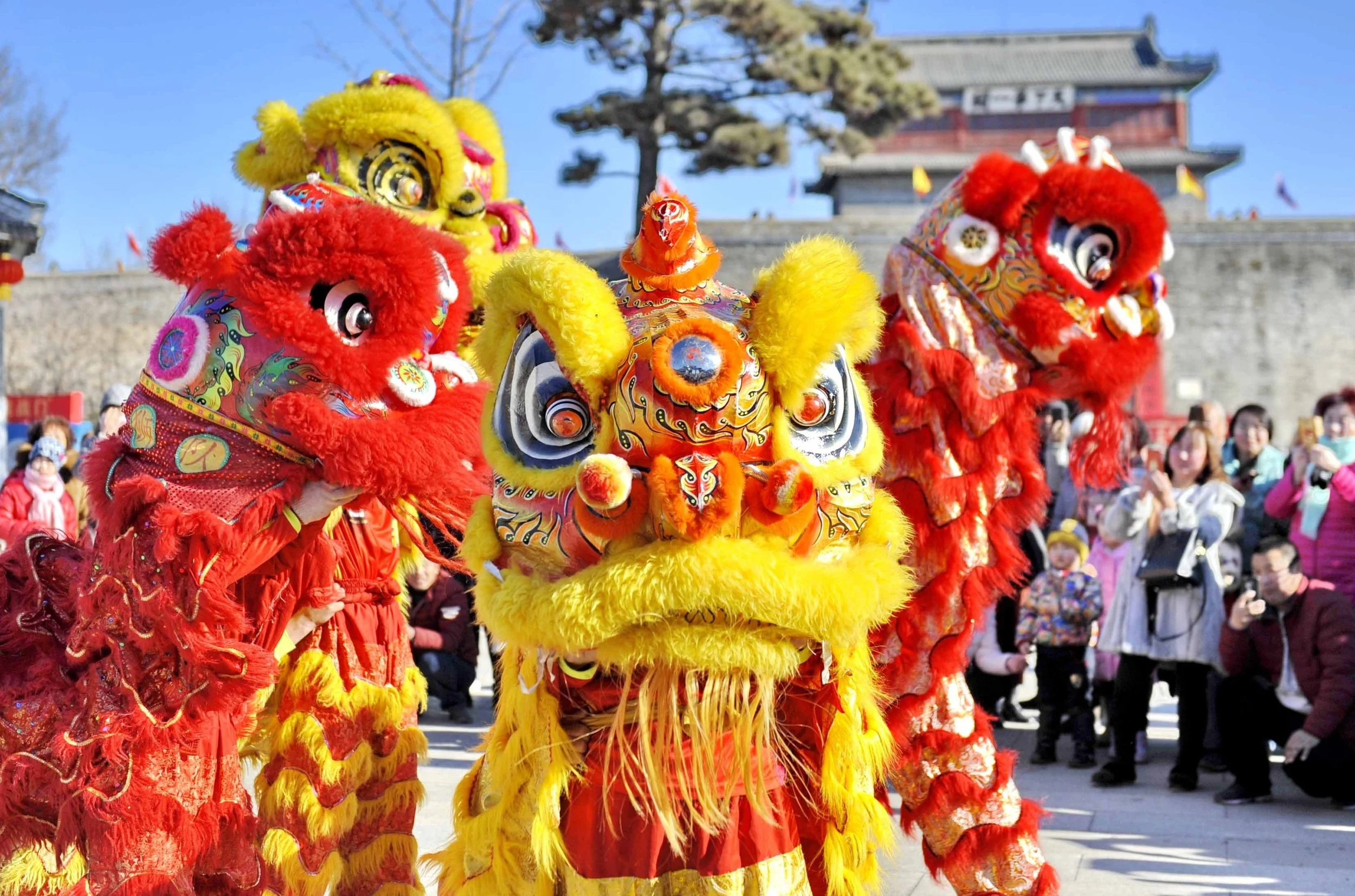
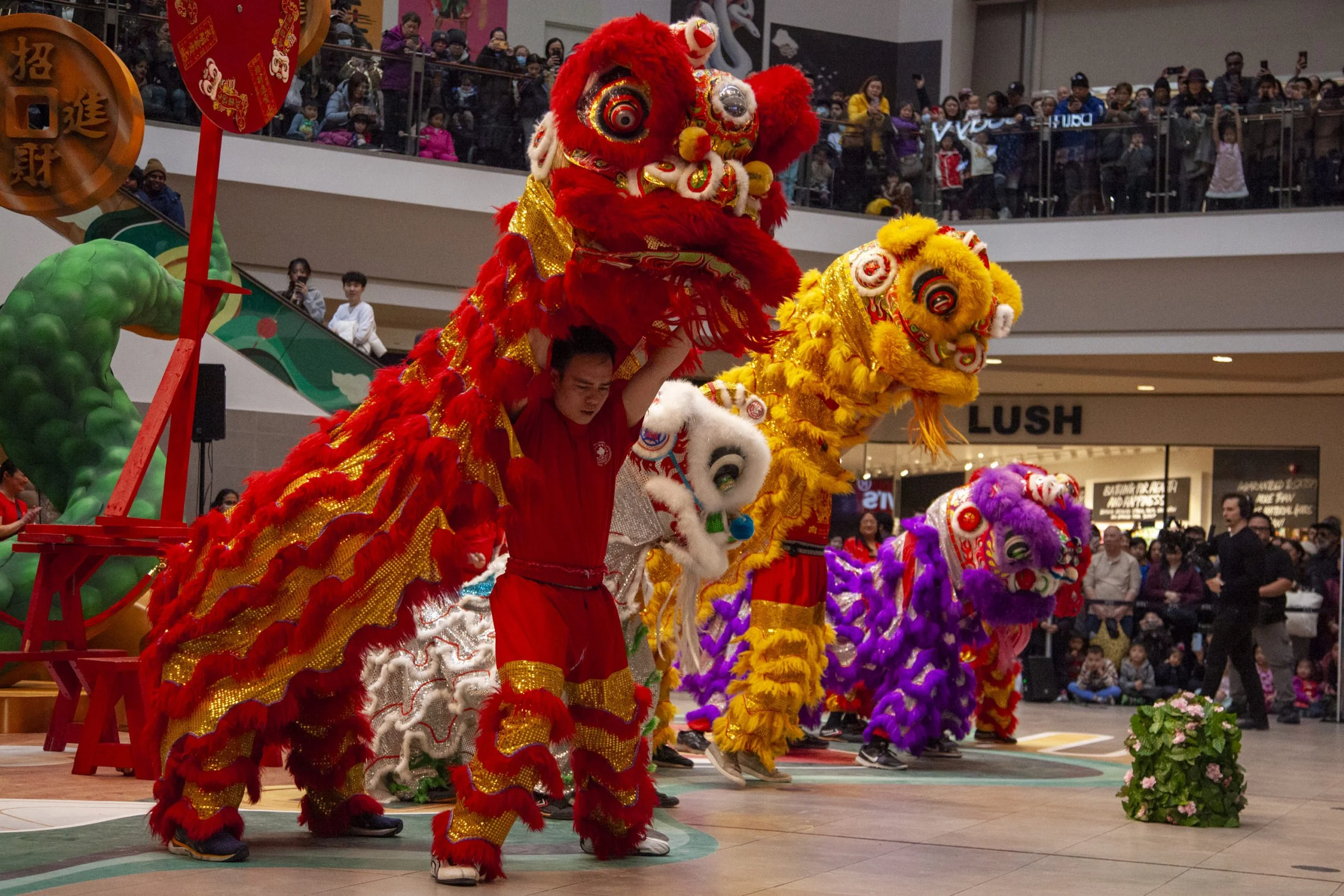
Images of the lion dance by Google Image Search
The lion dance is a traditional Lunar New Year Chinese performance to symbolize chasing away evil spirits and welcoming luck, fortune and prosperity for the new year. It is usually performed by two dancers (one controlling the head and the other one controlling the tail) with matching costumes, often with the their legs adorned to match the lion’s head and body. This dance performance is accompanied by music made with loud drums, cymbals, and gongs. Originating centuries ago, the art form is deeply tied to martial arts, requiring significant strength, teamwork, coordination, and agility.
Firecrackers
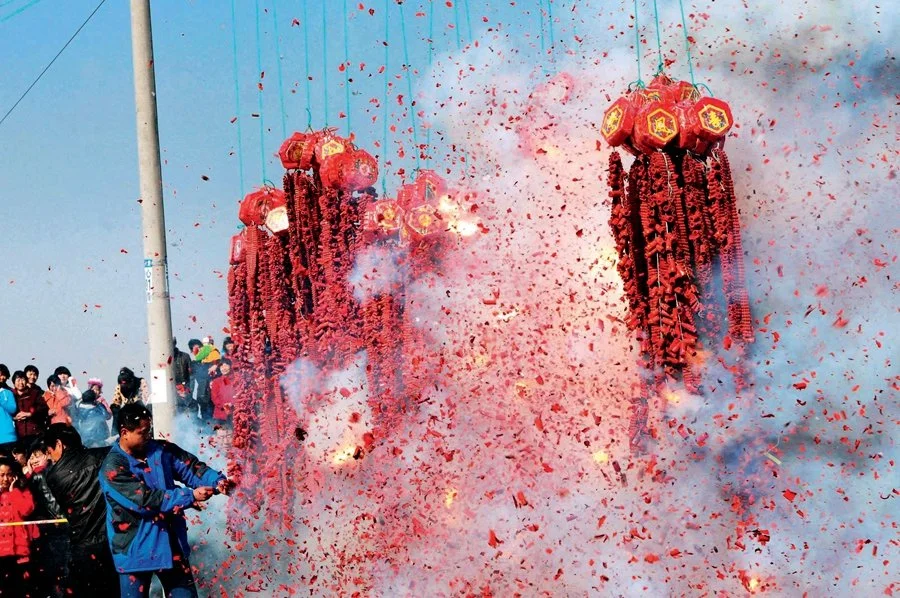
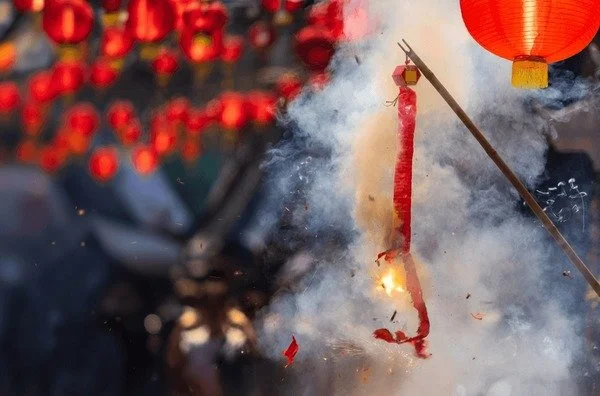
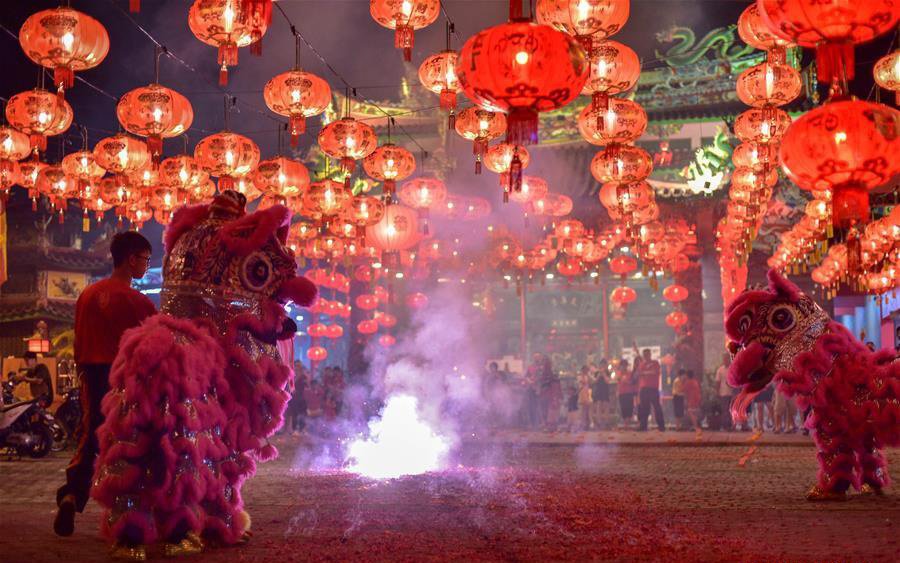
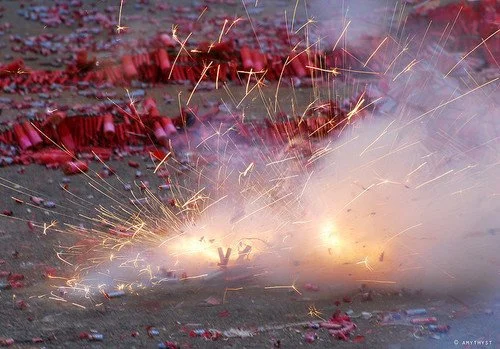
Images of firecrackers by Google Image Search
Chinese New Year firecrackers (baozhu) is an important festival tradition and its used to scare away evil spirits. In the ancient Chinese legend and mythology, a monster called Nian would go to the villages eat villagers and destroy their homes during New Year’s eve. It was then the villagers discovered that burning dried bamboo would produce loud crackling sounds and this would scare the monster away. Since then setting off firecrackers and fireworks became a major custom to celebrate the New Year as well as enhance the festive atmosphere.
2024 Lunar New Year Card
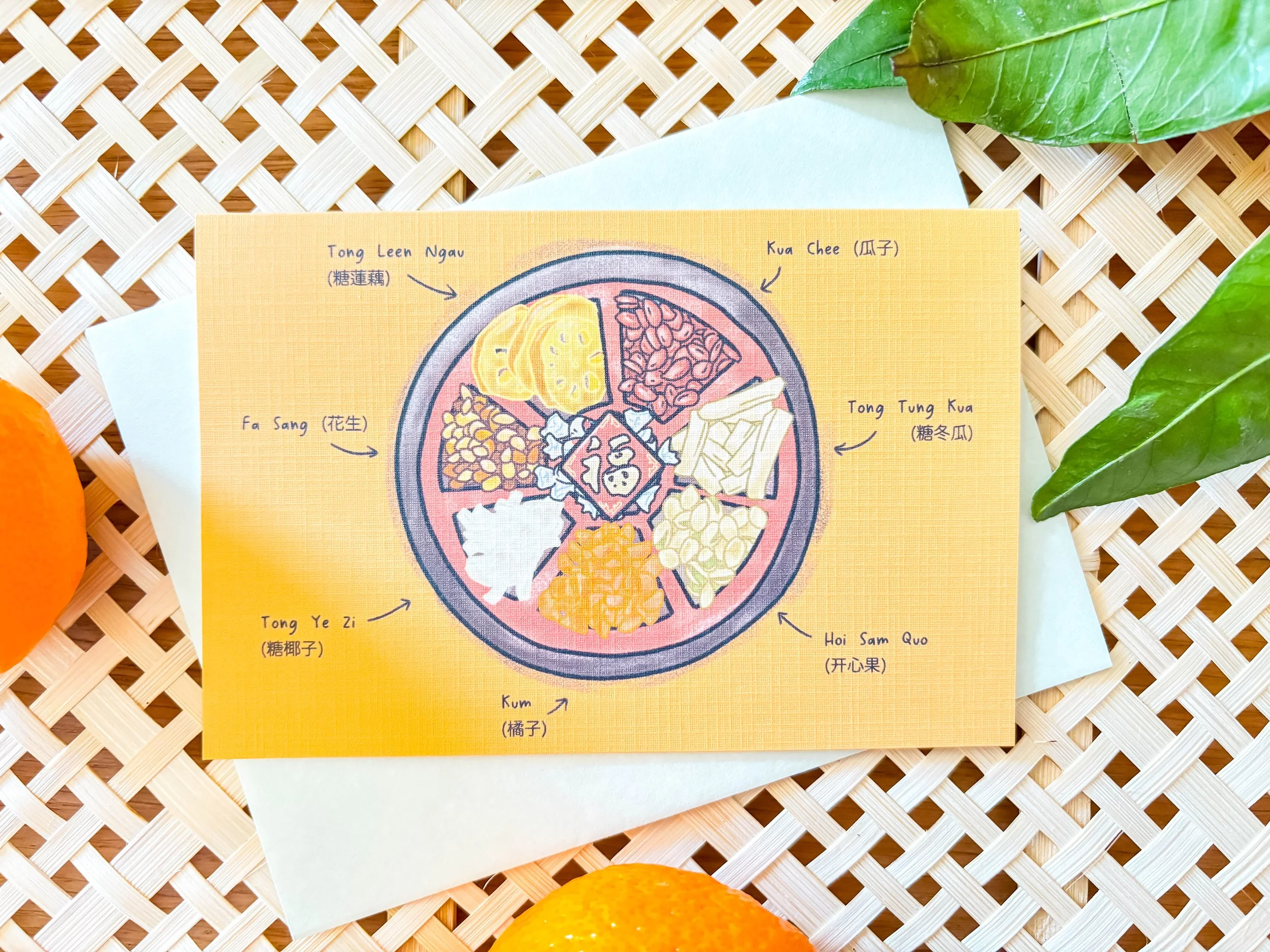
Tray of Togetherness Greeting Card by Zhi Wen Design
The 2024 Lunar New Year card design featured the Tray of Togetherness, a platter of sweets traditionally used to welcome visiting guests during the Lunar New Year. It is often also called the candy tray. The tray usually holds six (symbolizing luck) or eight (symbolizing fortune) compartments and is filled with symbolic edible items that wish luck, happiness, and good fortune for the upcoming New Year.
As a kid, this red lacquered tray of sweet goodies is the one thing I look forward to when visiting family and friends with my parents and siblings. Every household would fill it with a slightly different variation but these are the popular choices. Each candy holds a meaning, that is a combination of idioms and homonyms. Here's a little breakdown of each item:
• Kua Chee means melon seeds. The word Chee (子) is a homonym for child and offspring and it symbolizes fertility and many children. My late grandpa and I loved cracking these open and when he got super old, I helped him crack open all of his as he lost his teeth to do so.
• Tong Tung Kwa is a candied winter melon and it rhymes with strength and growth.
• Hoi Sum Kuo is pistachios and it means happy nuts. Don't they look like they are cracking open with a smile?
• Kum means mandarin oranges and it's a Cantonese homonym for gold (金) which symbolizes wealth and prosperity.
• Tong Ye Zi is a candied coconut, symbolizing togetherness and strong family ties. The Cantonese homonym for Ye Zi (椰子) sounds similar to grandpa and grandchild, therefore promoting unity across generations.
• Fa Sang (花生) means peanuts, symbolizing good health and longevity because the word Sang (生) means life.
• Tong Leen Ngau is candied lotus roots, symbolizing abundance year after year.
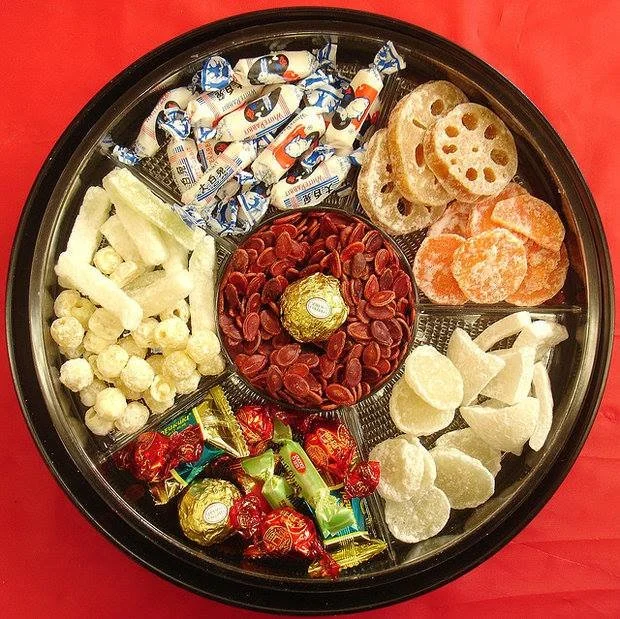
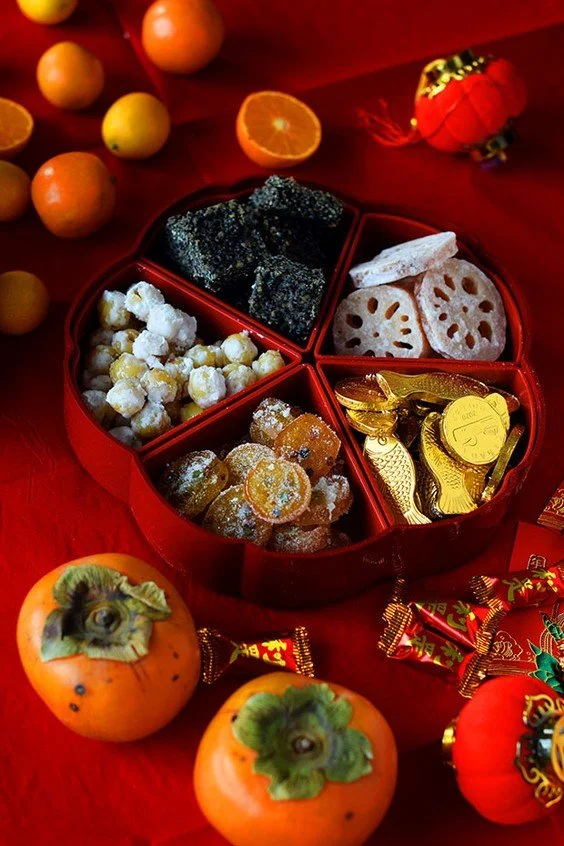
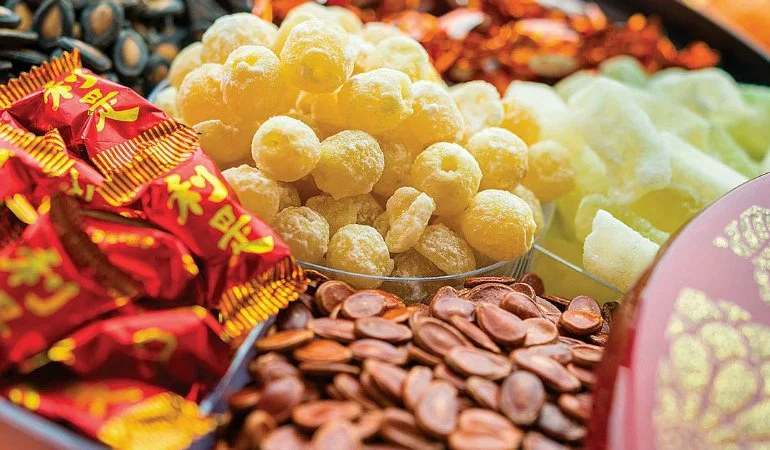
Images of the Tray of Togetherness by Google Images
2023 Lunar New Year Card
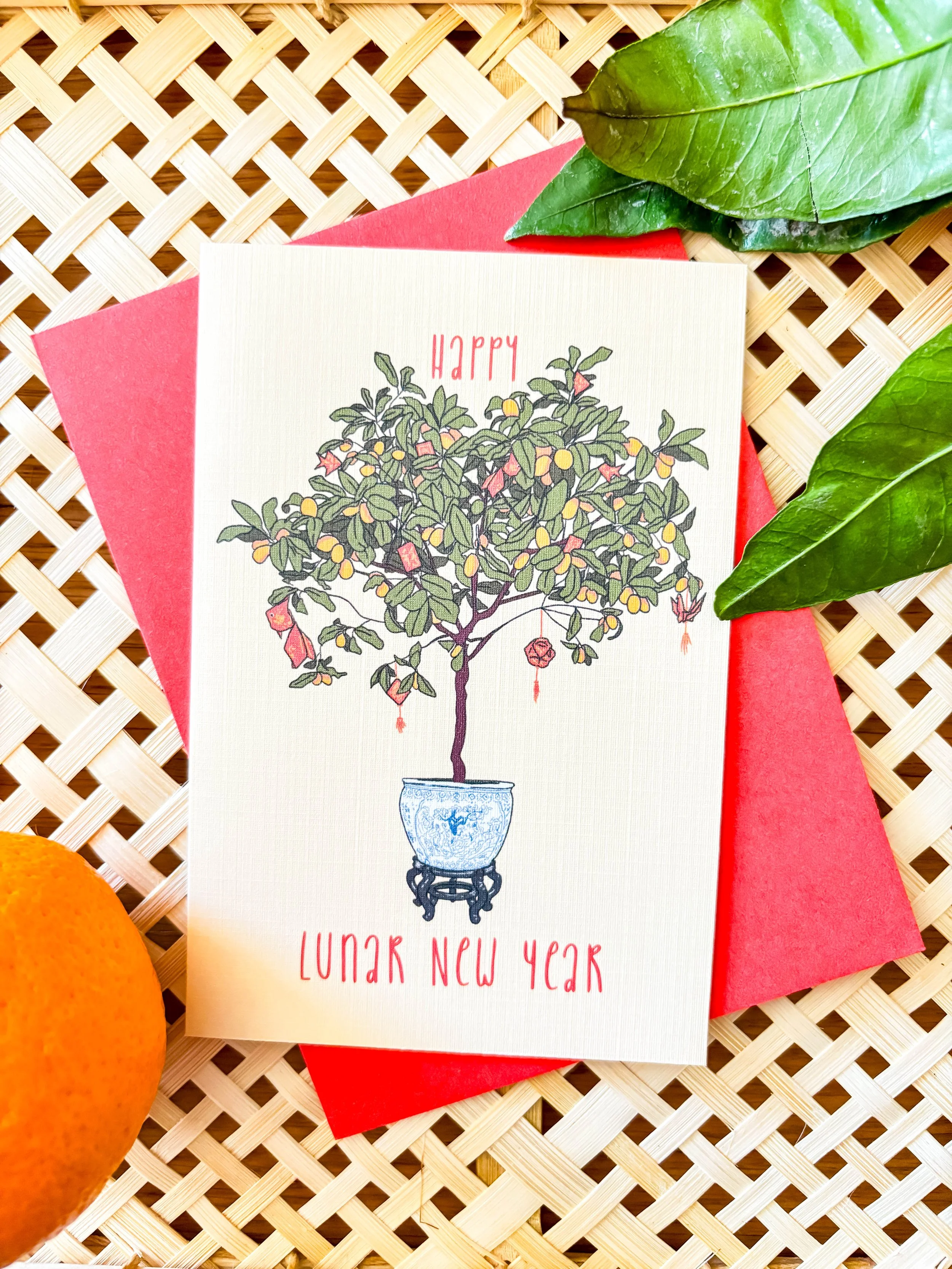
Kumquat Tree Greeting Card by Zhi Wen Design
The 2023 Lunar New Year card design took a nostalgic spin back to my childhood. As for the design of the Lunar New Year card, it is especially nostalgic to me because I based it on my late grandmother's mandarin orange tree. She would decorate it every year with origami cranes and goldfishes, folded from angpao (red envelopes) packets themselves. She sometimes places a dollar in each angpao packet, placed randomly and sometimes hidden in the tree for any of her grandchildren that happen to notice and pick them out from the tree.
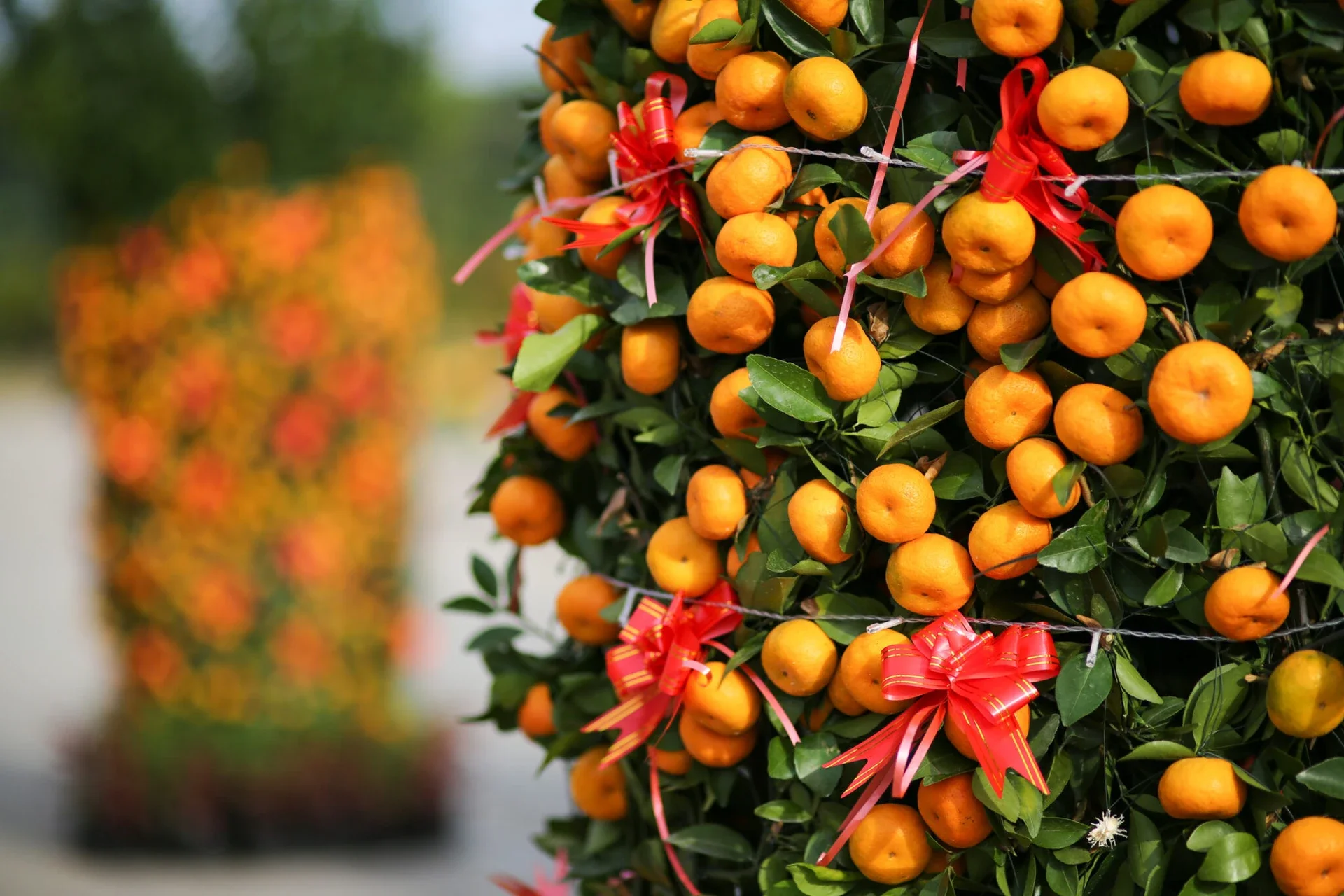
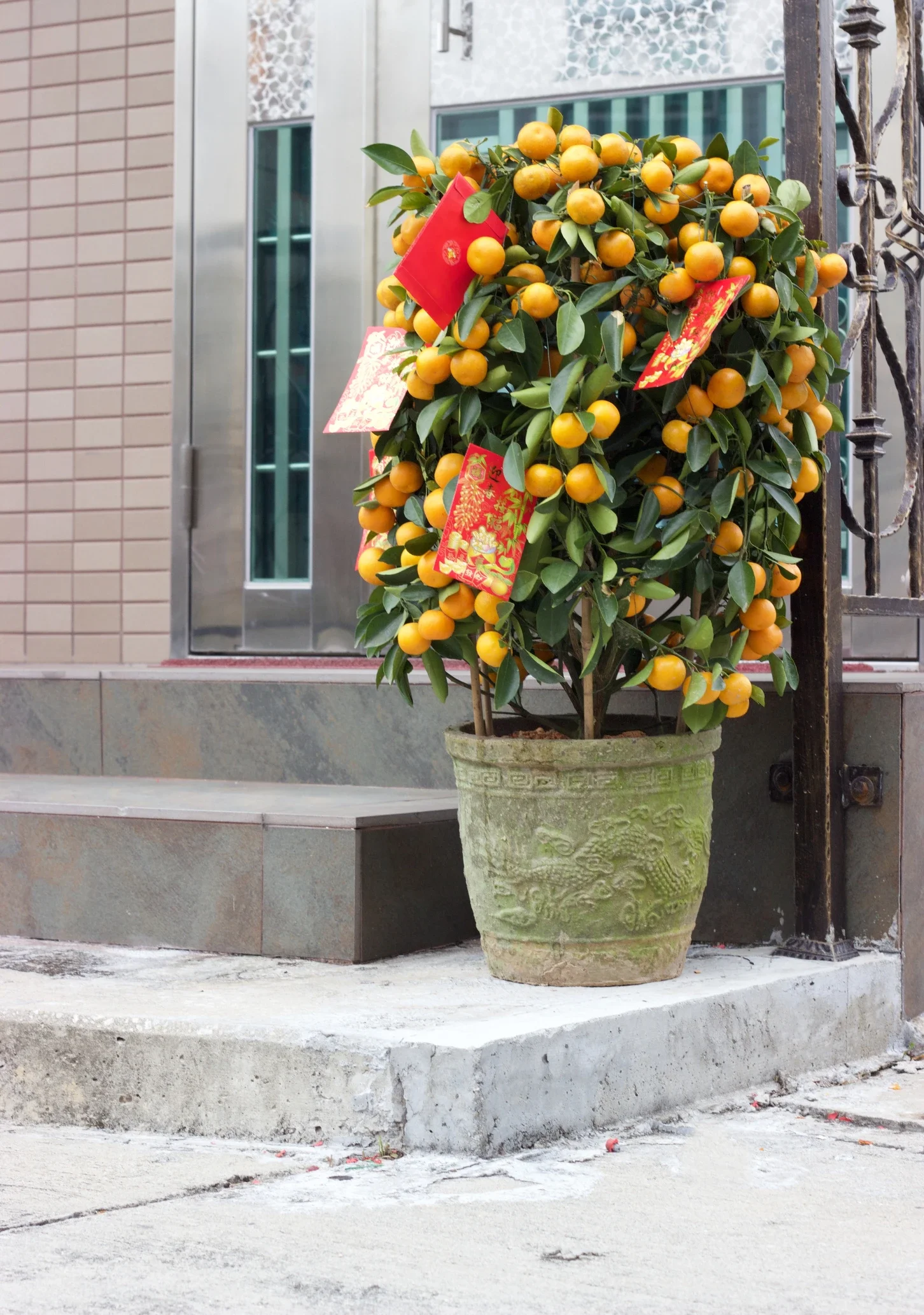
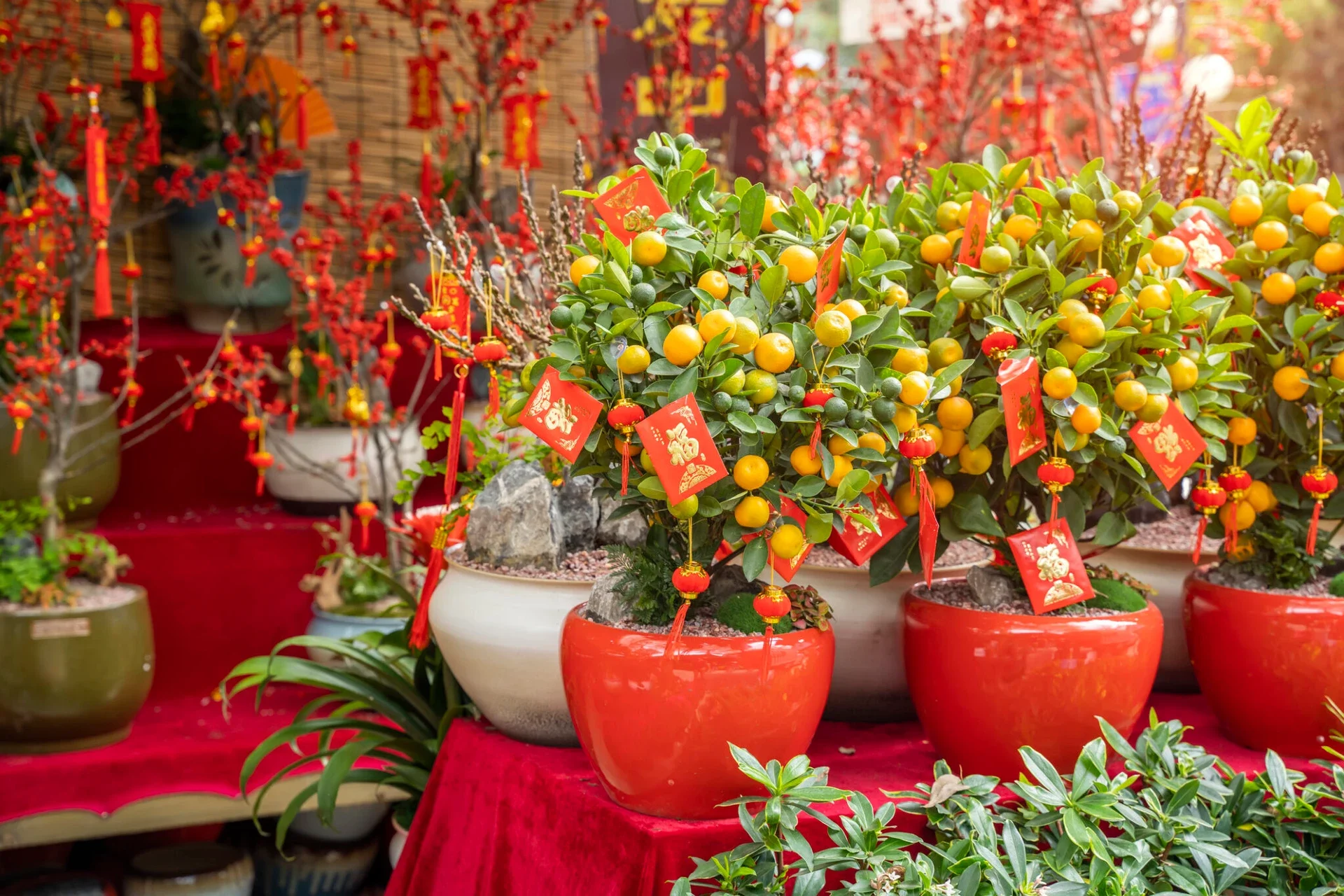
Images of Kumquat trees by La Jolla Mom
Lunar New Year Wax Seals
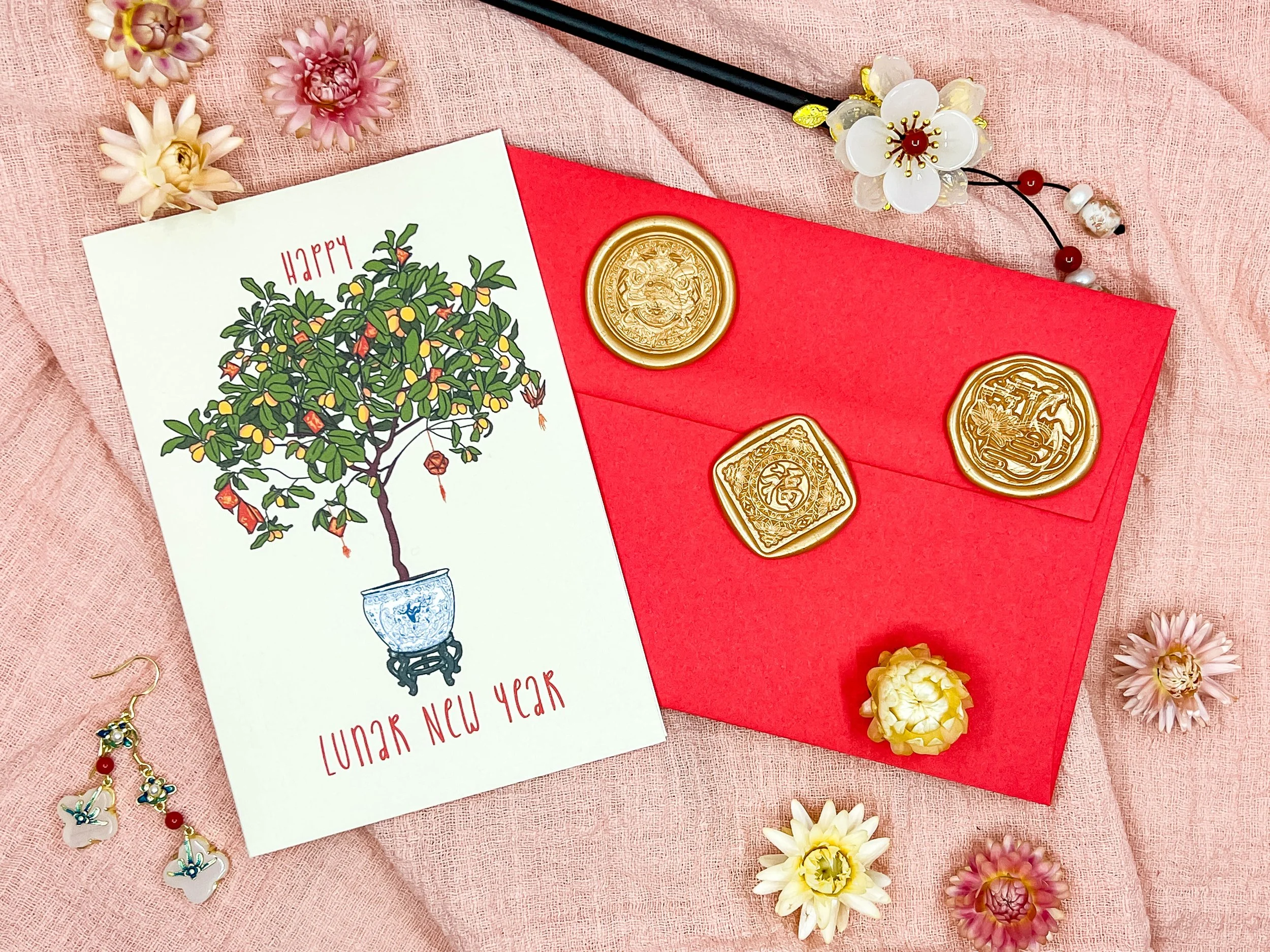
Lunar New Year Florals Greeting Card by Zhi Wen Design
Our Lunar New Year wax seal designs encapsulates the festival with three prominent designs such as the Chinese character Fu (福). This character means happiness, blessing, and good fortune. People across China have the tradition to paste this character on their doors or windows during the Spring Festival to greet the Chinese Lunar New Year (which falls on January 22nd this year). They believe doing this will bring good fortune. It is written on diagonal square red paper and the character is usually pasted upside-down. This is because Chinese people love wordplay. Since the word for ‘arrive’ in Chinese sounds the same as the word for ‘upside-down’, pasting the character upside-down signifies that ‘good fortune has arrived’.
The second design represents the Lion Dance. In Chinese culture, the lion symbolizes power, wisdom, and superiority. People perform lion dances at Chinese festivals or big occasions to bring good fortune and chase away evil spirits. The lion dance is one of the most important traditions of the Chinese Lunar New Year. It is performed to bring prosperity and good luck for the upcoming year. The lion dance is also a way to create a festive atmosphere and bring happiness.
As for the third design, it represents a water lily pond with a koi fish to represent the serenity and auspicious spring festival.
I hope you all enjoyed the past years’ design with the stories and traditions they represent. As always, the cards are available on here, Etsy and Faire wholesale to purchase as a single card or a box set of 5 cards. They come with matching envelopes and don’t forget to add wax seals to complement the envelope.
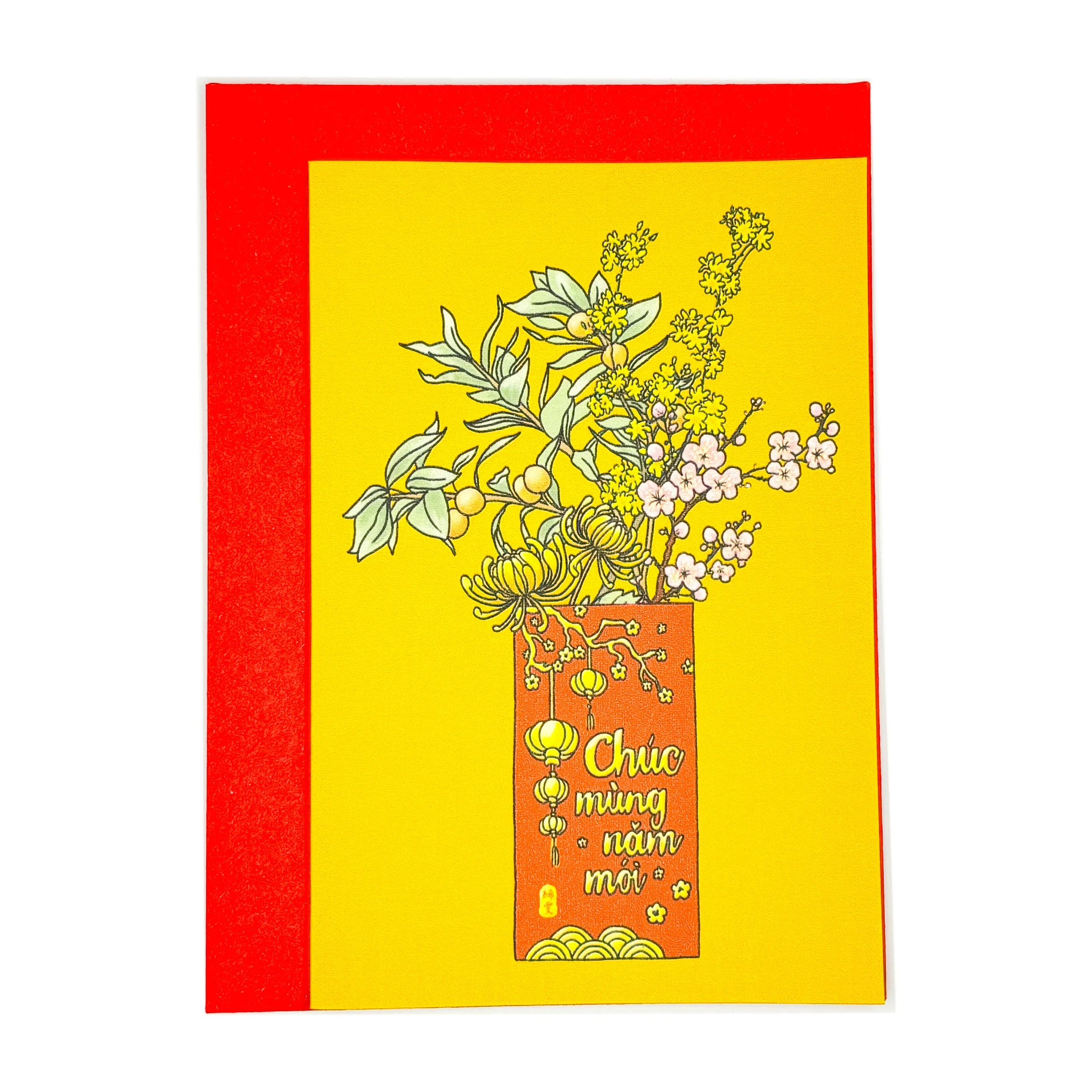
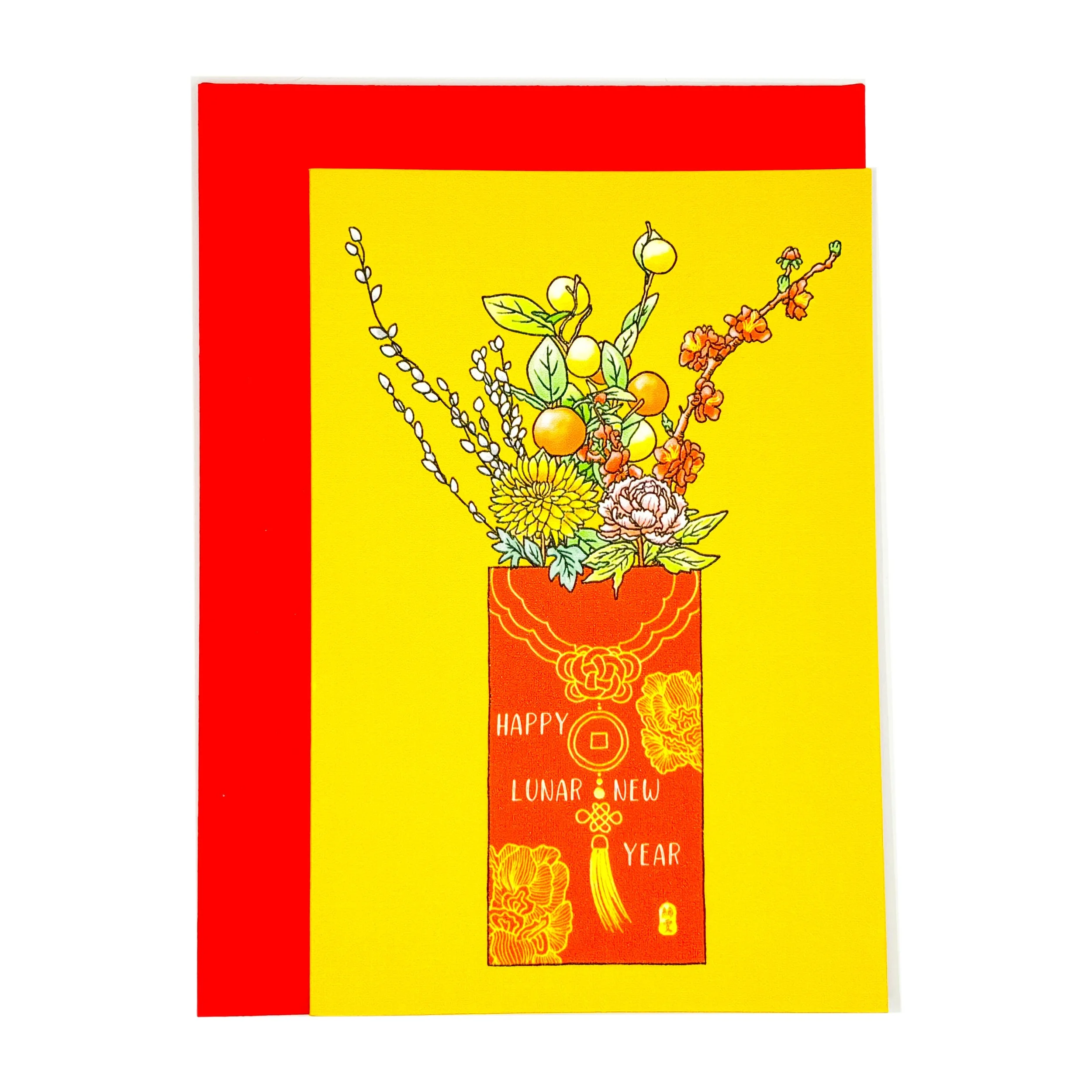


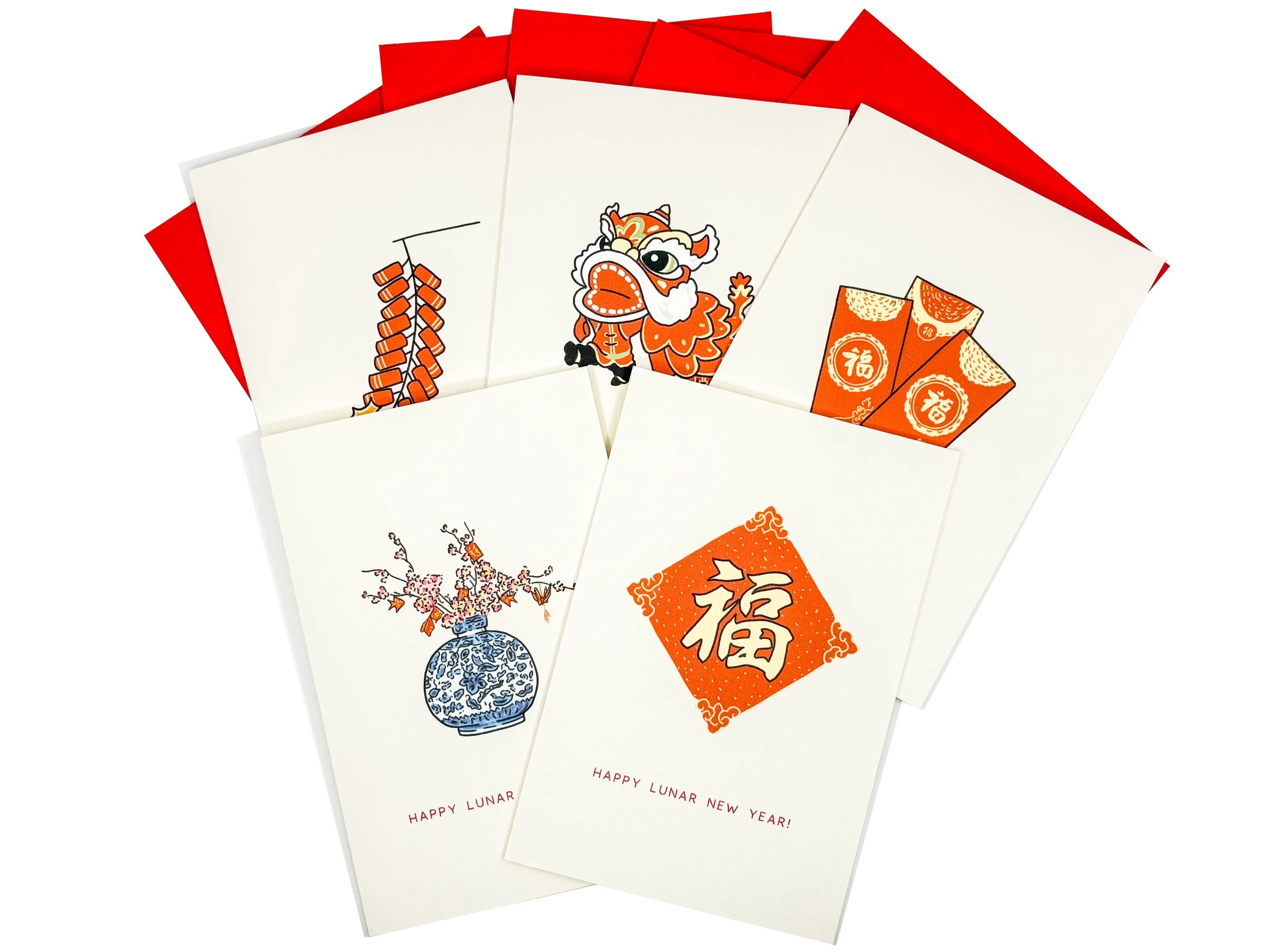

These cards are designed digitally and printed on premium heavyweight linen paper, the inside of the card is blank and it comes with a red envelope to match.
Available to purchase individually or as a box set of 5.
Overall dimensions: 4" (W) x 6" (H)